


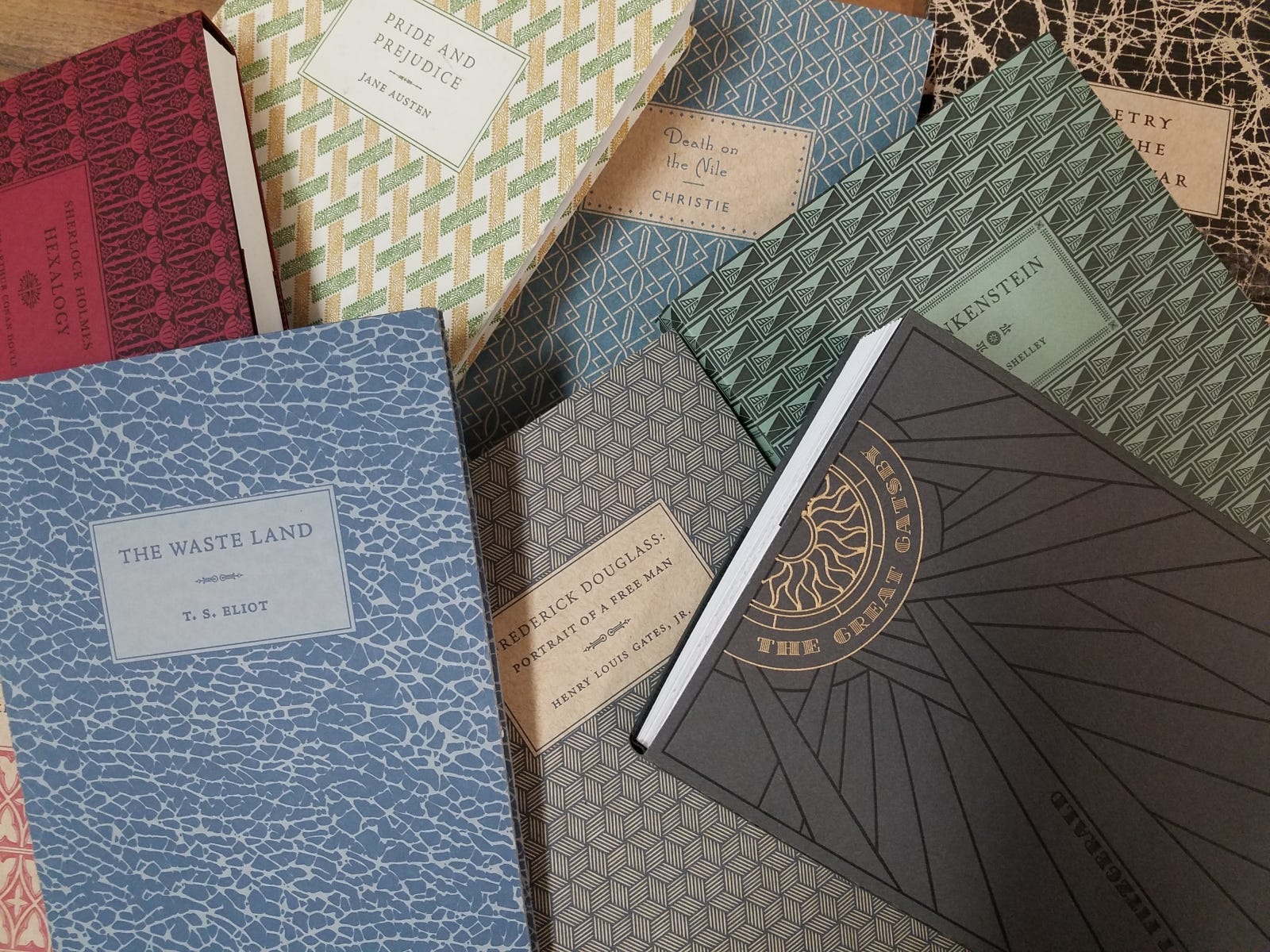
Last year, I tried to launch a new website, Alderbrink, dedicated to fine press books. But fine presses, it turns out, don’t really do review copies. (Who could have guessed?) Purchasing my own — between $100 and $500 on the low end (The Folio Society) and $1,000 to $5,000 on the high end (Arion Press) — was impossible. And so, after regurgitating press releases for a few weeks, I realized the idea was dead.
However, during my time with Alderbrink I discovered Thornwillow Press — an artisanal letterpress printing, engraving, and bookbinding imprint in Newburgh, New York, with an affordably priced monthly subscription called the Thornwillow Dispatch.
If you’ve never read or held letterpress before, it’s a visual and tactile double shot of dopamine. The rich contrast between deep black ink and creamy stock makes commercial offset printing look pale and feeble. You can feel the individual letters like Braille. Combined with Thornwillow’s handsome and understated design aesthetic, these physical details make every month’s edition so much fun to unwrap, read, and shelve.
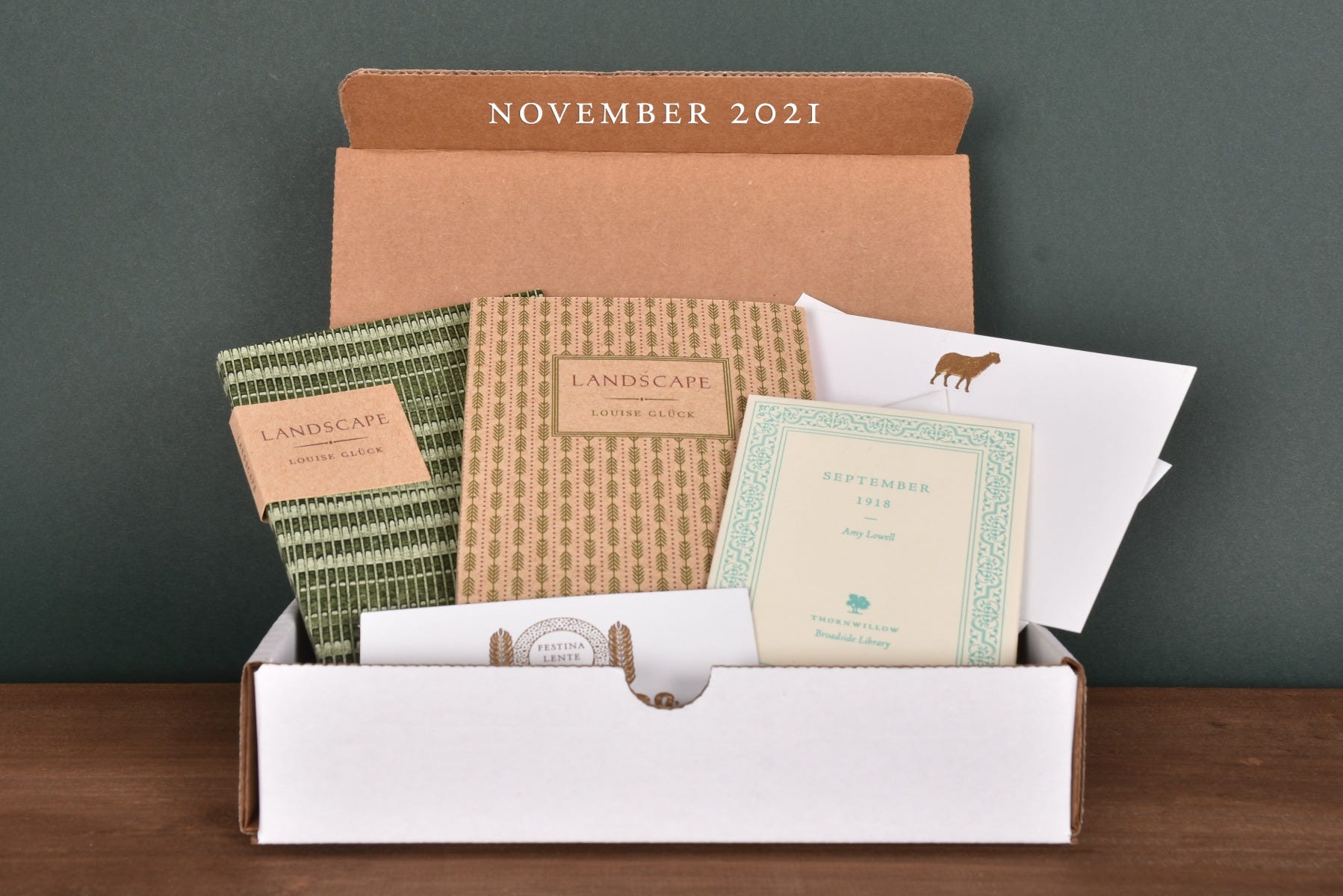
As a design and printing geek, I’m captivated by these little literary treasure boxes. For $45, Thornwillow mails you a letterpress-printed, hand-assembled book every month. It could be a novella, a short story, a long essay, poems, or a series of excerpts, and it always comes with some bonus letterpress items like broadsides, envelopes, and bookmarks. You can also buy backlist Dispatch titles you may have missed.
So far I’ve collected titles by Hemingway, Melville, Ishiguro, Joyce Carol Oates, Christina Milletti, and more. The current Dispatch for new subscribers is Patrick Radden Keefe’s The Oligarch’s Son, which was the basis for his latest book, London Falling (one of my best books of the year so far at Esquire).
I spoke with Luke Ives Pontifell, who founded Thornwillow in 1985 when he was a teenager, about how Dispatches are selected and produced, as well as the history and future of the press.
Adam Morgan: How many people are involved in the production of Dispatches?
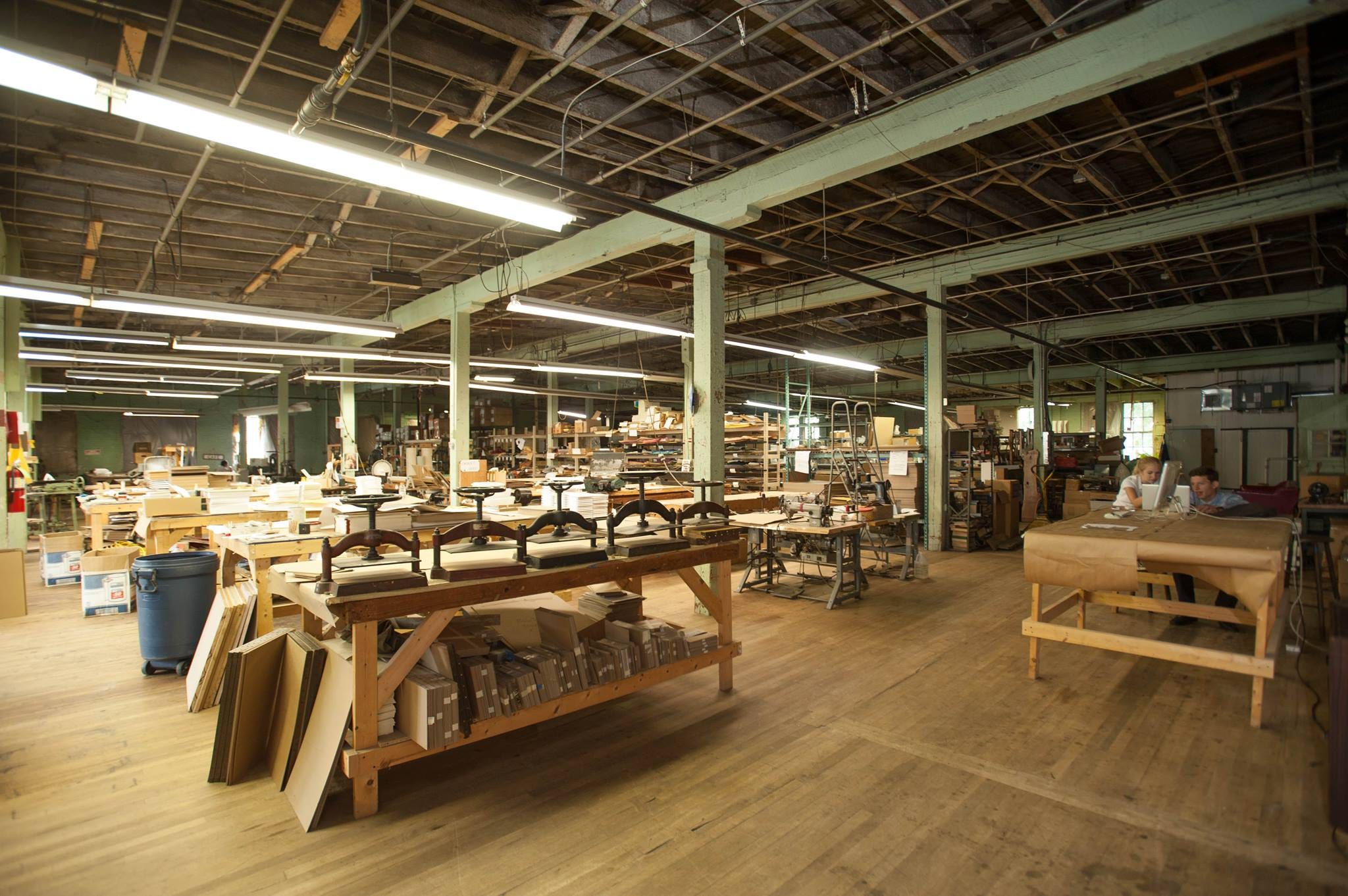
Luke Ives Pontifell: There are 15 people including my wife Savine and myself involved in the ongoing making and distribution of the Thornwillow Dispatch. The work includes editorial, typesetting and design, illustration, proofreading, copy editing, plate making, letterpress printing, paper cutting and folding, collating, sewing, binding, numbering, packaging, shipping, mailing list management, and website updating.
Adam Morgan: Where did the name Thornwillow come from?
Luke Ives Pontifell: Thornwillow is named after the house I grew up in in Western Massachusetts, an 18th Century farm that my parents meticulously restored. I started Thornwillow when I was 16 and thought that if William Morris named his press after his Kelmscott House, I might do the same. In the very early days, my first press (a Vandercook Universal) was in the barn there and I printed some of the early work at the house before embarking on the next chapters in England, the Czech Republic, and Florida... and now consolidated in Newburgh, NY.
Adam Morgan: How do you choose which titles are printed each month?
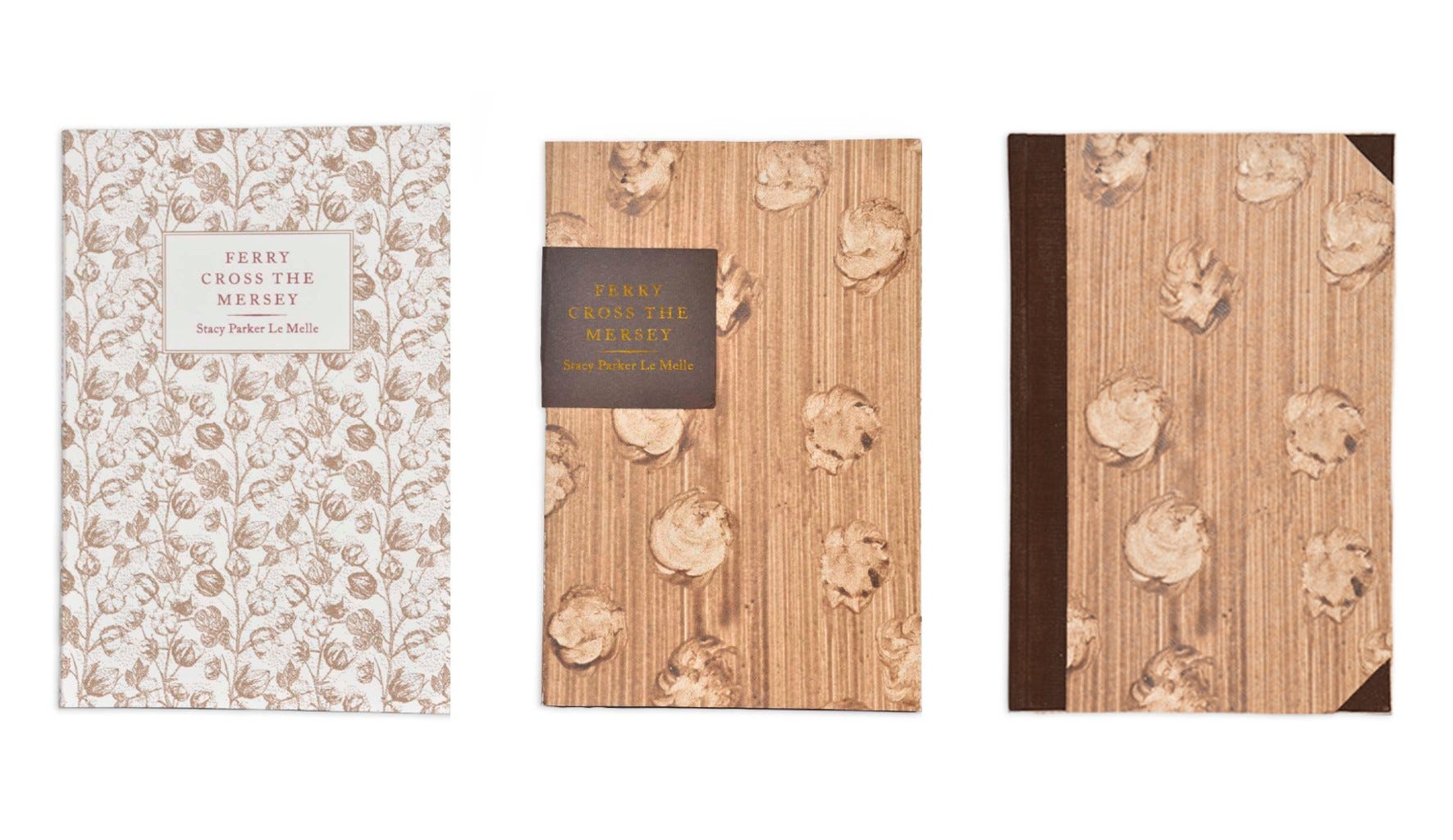
Luke Ives Pontifell: The series is intentionally eclectic. We look to print classic texts from the past and texts by living authors, both celebrated names and emerging writers. We want the series to present fiction, poetry, history, science, and science fiction. The intention is to make the ephemeral tangible and lasting. Sometimes they are forgotten texts, sometimes they are famous and well loved texts, and sometimes they are entirely brand new texts. Through the Thornwillow Patrons’ Prize we also release the work of emerging writers that readers likely have not heard of. The bottom line is that the texts must inspire and delight and be of enduring value to readers yet unborn.

Adam Morgan: Where did the original idea for Dispatches come from?
Luke Ives Pontifell: The Thornwillow Dispatch was inspired by the Insel Verlag’s Insel-Bücherei series that was started in 1912. This ongoing series of little books was conceived to be beautifully designed, well crafted, and accessible. Particularly the early books in the series included paste paper and letterpress printed cover papers that I find especially inspiring. The editorial content also often keyed into the zeitgeist and now in retrospect is a window into the ideas and struggles that consumed Germany through the first half of the 20th Century. The series is a bit of a time capsule.
Our vision for the Thornwillow Dispatch is for the series to capture and present in a lasting and elegant format ideas that matter and inspire today and we believe will be relevant to readers in the future and that the collection over time will be more than the sum of its parts.
The Thornwillow Dispatch preserves ideas that are relevant today and should endure. It will, we hope, in retrospect be a lens through which to look at ideas from our time that matter and will continue to matter for years to come. That said, the Dispatch is not just about preserving the content that is printed on the pages. It is also about teaching and perpetuating the related arts and crafts that make the editions come to life.
Also key to the mission of the Dispatch is to make these publications accessible to as wide an audience as possible. They are intentionally affordable at the Classic tier. In 1800 there was a reaction to urbanization. In 1900 to industrialization. And in 2000 to technology. As forces dehumanize our relationships, historically there has always been a return to craft, to things made by real people who are dedicated to their work. In this age of virtual reality and artificial intelligence, we believe that a beautifully designed book that is crafted to last, that preserves ideas that matter, is more important than ever.

Adam Morgan: What do you see in the future for Dispatches and Thornwillow at large?
Luke Ives Pontifell: We are excited to continue with the Dispatches. There are so many titles we have planned and are looking forward to bringing out. Our hope is to see the subscriber base grow which will make it more sustainable as an enterprise. We have intentionally kept the pricing accessible, but it is a large undertaking and we are eager to see the base grow. 2025 marked the 5th anniversary of the Dispatch, the 10th anniversary of the Thornwillow Institute, and the 40th anniversary of the press. As we take note of these milestones, it is exciting to look at what the future will hold.
We are preparing now to launch a new series of anchor publications, called the Thornwillow Codex. This will be a big development for the press. More to come on this very soon. And we are still working on the development of our Thornwillow Makers Village campus in Newburgh. As we continue to raise funds from generous donors and institutions to the Thornwillow Institute capital campaign, we continue restoring our Makers Village buildings. On deck this coming year is to build out a commissary kitchen for a talented chef, to add additional housing for our fellowship program, and completing the reading room and bookstore cafe. We have a very exciting year ahead.
OMG, as a former small press person, this thrills me!